


When comparing LED grow lights for cannabis with HPS equipment, separate the technology from the claims made for a particular fixture. The useful comparison covers documented light output, electrical input, spectrum, controls, service life and ownership costs. Neither an LED label nor an advertised wattage proves a particular harvest outcome.
This article focuses on the equipment decision and the GLMX720 model featured in the original. The older application notes remain at the end as marked review material; their crop-specific settings have not been newly validated.
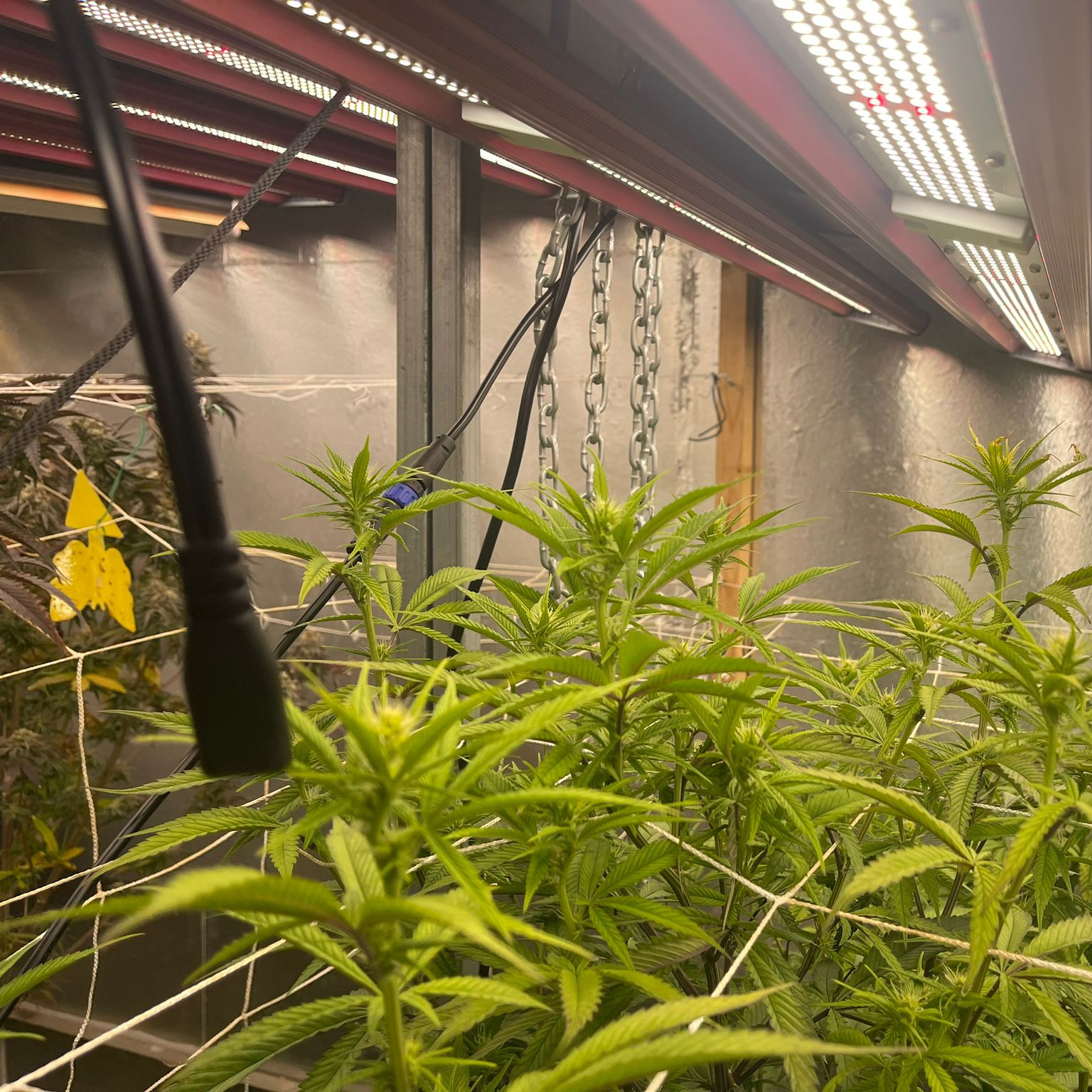
Why compare LED and HPS?
HPS means high-pressure sodium, and MH means metal halide. Both are discharge-lighting technologies. LED means light-emitting diode. The US Department of Energy's control-system explanation distinguishes discharge systems using ballasts from LED systems using drivers.
Compare complete systems, including their control gear and optics, rather than treating a lamp's rating as the whole installation. State whether the decision concerns replacing existing equipment or specifying a new purchase. Keep installation and service costs visible in either case.
| Dimension | LED offer | HPS offer |
|---|---|---|
| Input and output | Complete-fixture electrical input and photon output | Complete-system input and output, including the specified control gear |
| Distribution | Report for the exact fixture and optics | Report for the stated lamp, reflector and configuration |
| Spectrum | Curve for the supplied version and available channels | Curve for the specified lamp |
| Service | Driver, light-source and controller support arrangements | Lamp, ballast and other replacement arrangements |
| Purchase terms | Equipment, accessories, freight, warranty and labour | The same cost categories and comparison period |
Keep broad technology research separate from the offered model. The site's general HPS versus LED article covers the wider comparison; the questions here help examine the specific documentation behind a purchase.
Spectrum and crop-quality claims
LED technology can provide different spectral and optical distributions, as the DOE's agricultural lighting overview describes. That capability does not establish a guaranteed yield, quality or chemical composition for a particular crop and product.
Ask for the spectrum curve of the fixture being offered and the configuration it represents. If a supplier claims improved crop quality, request the study and comparator behind the claim. A generic reference to research, or the name of a compound such as THC or CBD, is not a substitute for relevant results.
The original article's broad assertions about genetic quality, industry leadership and universally better harvests did not provide that evidence. The useful topic is still the same: what the light can demonstrably do and which claims need a separate biological study.
Light output, electricity and maintenance
PPF describes photosynthetic photon output; PPE relates that output to electrical input. The DesignLights Consortium glossary defines these quantities. Compare values for the same measurement band and complete equipment configuration, with the test conditions stated.
Do LEDs always cost less to run than HPS? The answer for a proposed purchase needs the actual equipment input and the operating assumptions used in the comparison. Ask for an itemised calculation, including relevant auxiliary equipment. A fixed saving attached to the technology name is not enough.
Lifetime and maintenance need similar care. The DOE explains that output maintenance, electronics failure and colour change are distinct considerations. Its general lighting discussion does not validate a universal horticultural lifespan or a promise of trouble-free operation.
LED fixtures also produce heat that must be managed. ENERGY STAR describes heat sinks transferring heat to the surroundings. Ask for thermal and installation documentation rather than assuming the purchase eliminates room cooling requirements.
For ownership costs, keep equipment, controls, delivery, installation, electricity, replacement parts and service labour as separate lines. Mark any estimated value and its basis. Use the same comparison period for both offers; otherwise a lower total may simply reflect different assumptions.
The GLMX720: separate the model from the technology
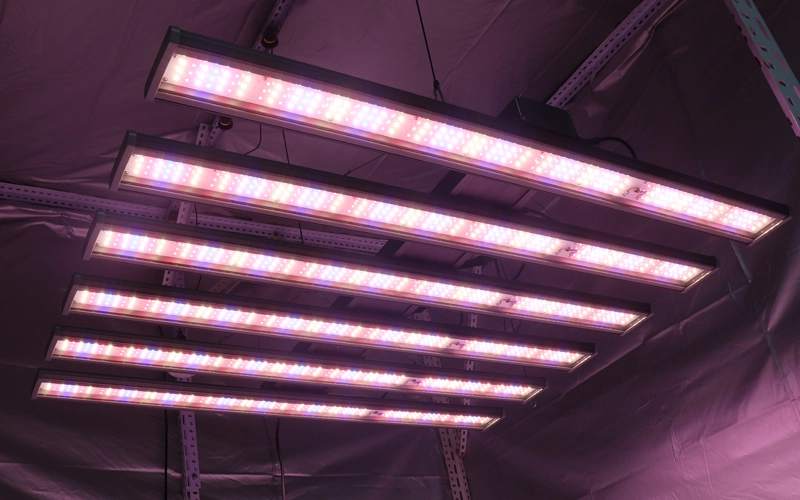
The original article featured the GLMX720. Its current TheOneGrow product page lists rated power of 720W, PPF of 1,872 µmol/s, system efficacy of 2.6 µmol/J and a 0–100% dimming range. These are supplier-listed specifications checked for this revision, not independent test results.
The listing identifies a full-spectrum bar fixture with a supplied driver and an IP65 rating. Its safety wording explicitly says the rating is not for submersion and distinguishes the driver, plug and dimming connections. Read the current model documentation rather than treating the older “waterproof” label as an unrestricted promise.
The live specification differs from the old article's output and efficacy figures. Confirm the version offered on the quotation and request the matching report. The old image remains an illustration of the original article, not a substitute for current specifications or proof that every historical accessory is still included.
Coverage, optics and modular construction also need model-specific documentation. Request the dimensional drawing and the report for the actual configuration instead of turning the older footprint statement into a universal recommendation. The coverage guide explains what a traceable report should contain.
Original warehouse application notes
The original warehouse section named GLMX720 and described suspension accessories. Confirm current contents and mounting documentation with the supplier. The applied passages below are preserved exactly from the source for review; their stage-specific figures and applicability remain unverified.
Hanging Height: The GLMX720 fixture is recommended to be 18 inches above the canopy during early vegetative stage, 12-18 inches above the canopy during late vegetative stage, and 6-12 inches above the canopy during flowering stage.
LED fixtures quantity calculation: Each GLMX720 can effectively cover a 5ft x 5ft area during both vegetative and flowering stages.
PPFD Level: Recommended PPFD level is 700-900 µmol/m²/s during vegetative stage, 800-1000 µmol/m²/s during flowering stage.
CO2 Enrichment: 1200-1500 ppm during both vegetative and flowering stage
Photoperiod: 18/6(18 hours of light, 6 hours of dark) during vegetative stage, 12/12 during flowering stage.
Original grow-tent application notes
The original home grow-tent section also named GLMX720. Its applied source passages are retained below under the same evidence limitation. The equipment comparison above does not validate these settings or the claimed footprint.
Hanging Height: The GLMX720 fixture is recommended to be 18 inches above the canopy during early vegetative stage, 12-18 inches above the canopy during late vegetative stage, and 6-12 inches above the canopy during flowering stage.
LED fixtures quantity calculation: Each GLMX720 can effectively cover a 5ft x 5ft area during both vegetative and flowering stages.
Grow Tent Size: At least 4ft x 4ft, 6ft x 6 ft is preferred for low stress straining.
PPFD Level: Recommended PPFD level is 600-800 µmol/m²/s during vegetative stage, 700-900 µmol/m²/s during flowering stage.
CO2 Enrichment: Not necessary.
Photoperiod: 18/6(18 hours of light, 6 hours of dark) during vegetative stage, 12/12 during flowering stage.
Compare South African purchase terms
Request an itemised quote for the exact model and version. Confirm included controls and accessories, delivery terms, installation responsibilities and who handles a fault. Keep the current product specification with the accepted quote so later differences can be identified.
TheOneGrow's shipping policy distinguishes local in-stock fulfilment, estimated delivery times and checkout charges. Its warranty terms distinguish product categories and exclusions. Check both for the actual order rather than assuming every fixture or accessory receives the same service.
A useful LED/HPS decision identifies which claims are documented, which costs are estimated and which questions remain open. Keep crop-outcome promises separate from the equipment comparison, and use the accepted model documentation as the reference for the purchase.